 Pipeflow
Industry
The work is visible. So is the company.
Regular posts, without anyone in the workshop having to become an editor.
Last updated:
Why it usually gets left undone.
Nobody has time
Whoever could post is busy getting the job done. Marketing loses this race every time.
The topics are there
Every site, every repair, every material is a topic. All that's missing is someone to write it down.
Skilled workers are watching
Anyone who applies checks you out first. A silent channel sends the wrong signal.
Where the topics come from.
From your website and what you tell Pipeflow. Not from the internet.
From the business
Jobs, machines, materials, processes.
From the season
Heating season, building site shutdowns, the turn of the year, trade fairs.
From the team
Apprentice recruitment, anniversaries, new colleagues.
What you can photograph.
With your phone, in two minutes, between two steps of work.
Before and after
The same corner, the same angle, once before and once after the work. Everyone gets it right away, even without expertise.
Hands and tools
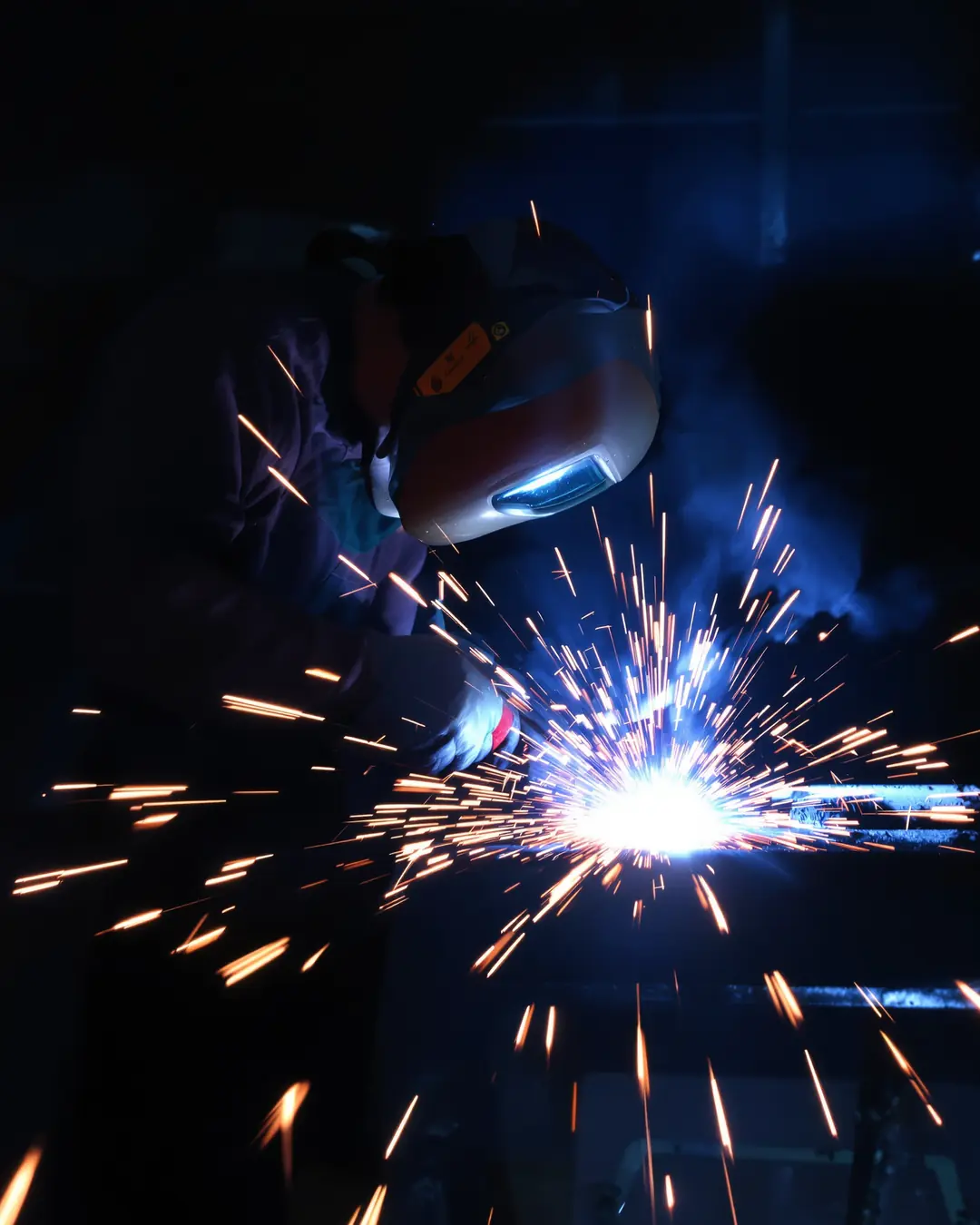
A weld seam, a freshly planed board, a neatly laid cable. Close ups show care without anyone having to be in the picture.
Materials and stock
What gets delivered, what something is built from and why you use this material and not another.
The finished work in use
The railing with a view of the valley, the kitchen on its first evening. Ask the customer briefly whether you may show it.
Who you post for.
Customers
Private customers check Instagram to see what your work looks like and whether you work in their area. Finished projects and glimpses of the workshop work best there.
Clients
Architects, developers and buyers are more likely to be on LinkedIn. What counts there is meeting deadlines, experience with larger projects and how you solve problems.
Applicants
Apprentices and skilled workers look at what it is like to work with you. Show the team, the workshop and who learned what with you.
What often goes wrong.
Only finished projects
If you only show the end result, you have little to post. The way there, meaning measuring, cutting and installing, gives you far more posts.
Silence when it gets busy
Exactly when the order books are full, the channel goes quiet. A steady rhythm with prepared posts takes care of that.
Jargon
Customers do not know what a fillet weld or a meeting stile is. Explain in one sentence why it matters.
Customer data in the picture
House numbers, licence plates and names on plans do not belong in a post. A quick look before you approve is enough.
Questions from this industry.
We don't have any photos of the business. Does it still work?
Yes. Pipeflow uses photos from your website, your uploads, AI images or text tiles in your colours.
Can you show building sites?
That depends on the client. Because you see every post beforehand, you decide case by case.
Will it bring in jobs?
Rarely directly. What it brings is visibility with job applicants, in tenders and with people who look you up later.
Instagram or LinkedIn: which matters more for a trade business?
For private customers and apprentices usually Instagram, for commercial clients more likely LinkedIn. Pipeflow plans for both channels. You can also start with one.
How often should a trade business post?
Three times a week is a good start for most businesses. It keeps the channel alive without running out of topics. In Pipeflow you can change the rhythm at any time.
What does Pipeflow cost?
Pipeflow is in its pilot phase. You can try it free.
Try it with your website.
Pilot phase: free to try. Nothing is published until you approve it.